

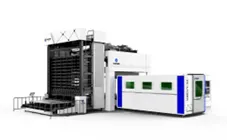
As a supplier of the Laser Cutting Machine 6020, I often receive inquiries about the coolant used in this remarkable piece of equipment. The choice of coolant is crucial for the optimal performance and longevity of the laser cutting machine. In this blog, I will delve into the types of coolants suitable for the Laser Cutting Machine 6020, their properties, and why they are essential.
Importance of Coolant in Laser Cutting Machines
Before we discuss the specific coolants, let's understand why coolant is so important in laser cutting machines. Laser cutting involves the use of a high - powered laser beam to cut through various materials such as metal, wood, and plastic. During this process, a significant amount of heat is generated. If this heat is not properly managed, it can cause several problems.
Excessive heat can damage the laser source, reduce the accuracy of the cutting process, and even lead to premature wear and tear of the machine's components. A coolant helps to dissipate this heat, maintaining a stable operating temperature for the laser cutting machine. This ensures consistent cutting quality, extends the lifespan of the machine, and reduces the frequency of maintenance.
Types of Coolants for Laser Cutting Machine 6020
Deionized Water
Deionized water is one of the most commonly used coolants in laser cutting machines, including the Laser Cutting Machine 6020. Deionized water is water that has had its mineral ions removed, such as cations like sodium, calcium, and iron, and anions like chloride and sulfate.
The main advantage of using deionized water as a coolant is its high heat capacity. It can absorb a large amount of heat without a significant increase in temperature. This makes it very effective at dissipating the heat generated during the laser cutting process. Additionally, deionized water is non - conductive, which is important for protecting the electrical components of the laser cutting machine.
However, deionized water also has some drawbacks. It has a relatively low boiling point, which means that in high - temperature environments or during long - term continuous operation, it may evaporate quickly. Also, deionized water is very pure and can act as a solvent, potentially leaching out small amounts of materials from the machine's cooling system over time.
Glycol - Based Coolants
Glycol - based coolants are another popular choice for the Laser Cutting Machine 6020. These coolants are typically a mixture of glycol (either ethylene glycol or propylene glycol) and water.
Glycol - based coolants have several advantages. They have a higher boiling point than water, which makes them more suitable for high - temperature applications. This means that they can operate effectively in environments where the heat generated during laser cutting is particularly intense. Glycol also has anti - freezing properties, which is beneficial in cold climates as it prevents the coolant from freezing and damaging the cooling system.
Moreover, glycol - based coolants often contain additives that provide corrosion protection for the metal components in the cooling system. This helps to prevent rust and other forms of corrosion, extending the life of the machine's cooling system.
On the downside, glycol - based coolants are more expensive than deionized water. They also require more careful handling as some types of glycol, such as ethylene glycol, are toxic.
Synthetic Coolants
Synthetic coolants are a relatively new type of coolant used in laser cutting machines. These coolants are formulated using synthetic chemicals to provide specific properties tailored to the needs of the laser cutting process.
Synthetic coolants offer excellent heat transfer capabilities, similar to or even better than deionized water and glycol - based coolants. They can be designed to have a high boiling point, low viscosity, and good chemical stability. This makes them suitable for a wide range of operating conditions.
One of the key advantages of synthetic coolants is their long service life. They are less likely to break down or degrade over time, reducing the need for frequent coolant changes. However, synthetic coolants are usually more expensive than other types of coolants, and their disposal may require special procedures due to the synthetic chemicals they contain.
Choosing the Right Coolant for Your Laser Cutting Machine 6020
When choosing a coolant for your Laser Cutting Machine 6020, several factors need to be considered.
Operating Environment
If the machine is operating in a hot environment, a coolant with a high boiling point, such as a glycol - based or synthetic coolant, may be more suitable. In cold climates, a coolant with anti - freezing properties is essential to prevent damage to the cooling system.
Cost
Cost is always an important factor. Deionized water is the most cost - effective option, but it may require more frequent top - ups due to evaporation. Glycol - based and synthetic coolants are more expensive upfront, but they may offer longer service life and better performance, which can offset the initial cost in the long run.
Machine Compatibility
It is crucial to ensure that the coolant is compatible with the materials used in the machine's cooling system. Some coolants may react with certain metals or plastics, causing corrosion or damage. Always refer to the machine's manual or consult with the manufacturer to determine the recommended coolant.

Other Considerations
In addition to choosing the right type of coolant, proper coolant maintenance is also essential. Regularly check the coolant level and quality. Over time, the coolant may become contaminated with debris, metal particles, or microorganisms. This can reduce its effectiveness and cause damage to the machine.
It is recommended to filter the coolant regularly to remove any contaminants. Also, monitor the coolant's pH level and adjust it if necessary to prevent corrosion. Some coolants may require the addition of additives periodically to maintain their properties.
Conclusion
The choice of coolant for the Laser Cutting Machine 6020 is a critical decision that can significantly impact the machine's performance and lifespan. Deionized water, glycol - based coolants, and synthetic coolants each have their own advantages and disadvantages. By considering factors such as the operating environment, cost, and machine compatibility, you can select the most suitable coolant for your specific needs.
If you are interested in our Laser Cutting Machine 6020 or have any questions about coolants or other aspects of the machine, please feel free to [initiate a contact to discuss procurement details]. Our team of experts is ready to assist you and provide you with the best solutions for your laser cutting requirements. You can also explore our other products, such as the Laser Cutting Machine 4020 and the Laser Cutting Machine 3015 by clicking on the links. For more information about the Laser Cutting Machine 6020, visit Laser Cutting Machine 6020.
References
- "Laser Cutting Technology Handbook", Industrial Laser Research Institute
- "Coolant Selection and Maintenance in Laser Equipment", Journal of Laser Applications
- Manufacturer's manual of Laser Cutting Machine 6020