

Hey there! As a supplier of CNC Tandem Pressbrakes, I often get asked about the energy consumption of these machines. It's a crucial topic, not just for cost - saving but also for environmental reasons. So, let's dig into what the energy consumption of a CNC tandem pressbrake really looks like.
How Does a CNC Tandem Pressbrake Work?
Before we talk about energy consumption, it's important to understand how these machines operate. A CNC tandem pressbrake is a powerful tool used in metal fabrication. It consists of two or more pressbrakes working in tandem, controlled by a computer numerical control (CNC) system. This setup allows for the bending of long and large - scale metal sheets with high precision.
The pressbrake uses hydraulic or electric systems to generate the force needed to bend the metal. Hydraulic systems are more common in heavy - duty pressbrakes as they can generate a large amount of force. Electric systems, on the other hand, are becoming more popular due to their energy - efficiency and lower maintenance requirements.
Factors Affecting Energy Consumption
There are several factors that influence the energy consumption of a CNC tandem pressbrake.
Machine Size and Capacity
Bigger machines with higher tonnage capacity generally consume more energy. For example, a Hydraulic CNC Bending Machine UPA 600x6000 is designed to handle large and thick metal sheets, and it requires more power to operate compared to smaller models like the UPB Series Hydraulic CNC Bending Machine UPB 150x3100. The larger the bending length and the higher the bending force, the more energy is needed to drive the hydraulic pumps or electric motors.
Operating Mode
The way the pressbrake is used also affects energy consumption. Continuous operation at high speed will consume more energy than intermittent operation. If the machine is constantly bending metal without breaks, the hydraulic pumps or electric motors are running at full capacity, which leads to higher energy usage. On the other hand, if the operator pauses between bends, the machine can enter a standby mode where energy consumption is significantly reduced.
Bending Complexity
Complex bending operations that require multiple bends at different angles or with different tooling will consume more energy. The machine has to adjust the bending force and position for each bend, which requires additional power. For instance, bending a metal sheet into a complex shape with multiple curves will use more energy than a simple single - bend operation.
Energy - Saving Features
Modern CNC tandem pressbrakes come with various energy - saving features. Some machines have variable - speed drives that adjust the motor speed according to the load. This means that when the machine is not under heavy load, the motor runs at a lower speed, consuming less energy. Other features include energy - recovery systems that capture and reuse the energy generated during the bending process.
Measuring Energy Consumption
Measuring the energy consumption of a CNC tandem pressbrake can be done in several ways. One common method is to use a power meter. A power meter can be connected to the machine's electrical supply to measure the real - time power consumption. This data can then be used to calculate the total energy consumption over a certain period.
Another way is to analyze the machine's operating parameters. The CNC system of the pressbrake can provide information about the motor speed, hydraulic pressure, and other factors that are related to energy consumption. By analyzing this data, operators can get a better understanding of how the machine is using energy and identify areas where energy savings can be made.
Comparing Energy Consumption of Different Models
Let's take a look at the energy consumption of some of our popular models. The UPB Series Hydraulic CNC Bending Machine UPB 225x4100 is a mid - sized pressbrake with a decent bending capacity. It uses a hydraulic system to generate the bending force. On average, during continuous operation, it consumes around X kilowatt - hours per hour.

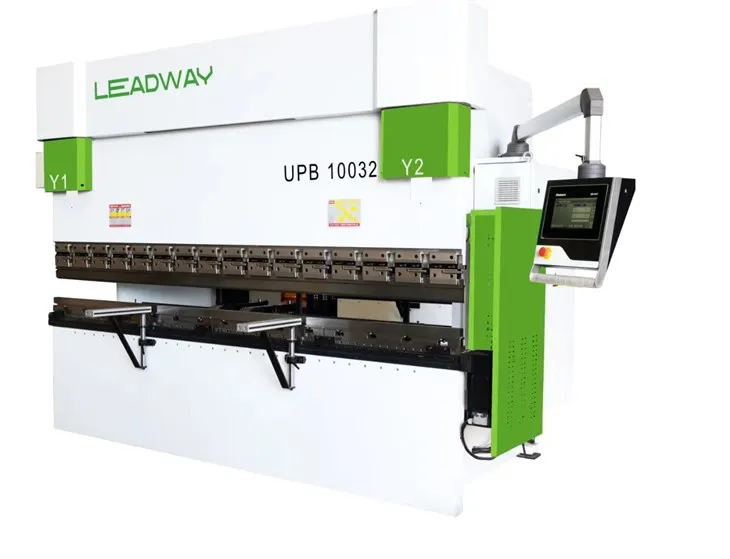
In contrast, the UPB Series Hydraulic CNC Bending Machine UPB 150x3100, which is a smaller model, consumes approximately Y kilowatt - hours per hour under the same operating conditions. The Hydraulic CNC Bending Machine UPA 600x6000, being a large - scale machine, has a higher energy consumption, around Z kilowatt - hours per hour.
Tips to Reduce Energy Consumption
If you're looking to reduce the energy consumption of your CNC tandem pressbrake, here are some tips:
- Optimize the Bending Process: Plan the bending sequence carefully to minimize the number of bends and the amount of energy required. Use the right tooling for the job to ensure efficient bending.
- Use Energy - Saving Modes: Most modern pressbrakes have energy - saving modes. Enable these modes when the machine is not in use or during periods of low activity.
- Regular Maintenance: Keep the machine well - maintained. A well - maintained pressbrake operates more efficiently and consumes less energy. Check the hydraulic fluid levels, clean the filters, and lubricate the moving parts regularly.
- Upgrade to Energy - Efficient Components: Consider upgrading to more energy - efficient motors or hydraulic pumps. Newer models are designed to consume less energy while providing the same level of performance.
Why Energy Consumption Matters
Energy consumption is not just about saving money on electricity bills. It also has a significant impact on the environment. By reducing the energy consumption of your CNC tandem pressbrake, you can lower your carbon footprint and contribute to a more sustainable manufacturing process.
In addition, energy - efficient machines are often more reliable and have a longer lifespan. They require less maintenance and are less likely to break down, which can save you time and money in the long run.
Get in Touch for More Information
If you're interested in learning more about the energy consumption of our CNC tandem pressbrakes or are thinking about purchasing one, we'd love to hear from you. We can provide you with detailed information about the energy - saving features of our machines and help you choose the right model for your needs. Whether you're a small - scale metal fabricator or a large - scale industrial manufacturer, we have a pressbrake that's perfect for you.
References
- "Metal Fabrication Handbook"
- Manufacturer's manuals for CNC tandem pressbrakes