

Air bending is a widely used technique in the metal fabrication industry, and when it comes to performing this operation with precision and efficiency, a CNC tandem pressbrake is an invaluable tool. As a supplier of CNC tandem pressbrakes, I have witnessed firsthand the impact this technology has on metal bending processes. In this blog post, I will explore the advantages and disadvantages of air bending with a CNC tandem pressbrake, providing insights that can help fabricators make informed decisions about their bending operations.
Advantages of Air Bending with a CNC Tandem Pressbrake
Precision and Consistency
One of the most significant advantages of using a CNC tandem pressbrake for air bending is the high level of precision and consistency it offers. The CNC (Computer Numerical Control) system allows for accurate control of the bending process, ensuring that each bend is made to the exact specifications. This is particularly important in industries where tight tolerances are required, such as aerospace and automotive manufacturing.
The tandem configuration of the pressbrake, which consists of two or more pressbrakes working in synchronization, further enhances precision. By distributing the bending force across multiple machines, the tandem pressbrake can handle larger workpieces with greater stability, reducing the risk of deformation or inaccuracies.
Flexibility and Versatility
Air bending with a CNC tandem pressbrake provides fabricators with a high degree of flexibility and versatility. The process allows for the creation of a wide range of bend angles and radii, making it suitable for a variety of applications. Whether you need to produce simple 90-degree bends or complex multi-angle shapes, the CNC tandem pressbrake can accommodate your requirements.
In addition, the CNC system can easily be programmed to perform different bending operations, allowing for quick and seamless changeovers between jobs. This means that fabricators can easily switch between different workpiece sizes, shapes, and materials, increasing productivity and reducing downtime.
Efficiency and Productivity
CNC tandem pressbrakes are designed to optimize efficiency and productivity in the metal bending process. The automated nature of the CNC system allows for faster setup times and reduced operator intervention, resulting in higher production rates. The tandem configuration also enables simultaneous bending on multiple machines, further increasing productivity.
Moreover, the CNC tandem pressbrake can be integrated with other manufacturing processes, such as laser cutting and automated material handling systems, to create a fully automated production line. This not only improves efficiency but also reduces labor costs and the risk of human error.
Cost-Effectiveness
While the initial investment in a CNC tandem pressbrake may be higher compared to traditional pressbrakes, the long-term cost savings can be significant. The precision and consistency of the CNC system reduce the need for rework and scrap, resulting in lower material costs. The increased productivity and efficiency also translate into higher throughput and reduced labor costs.
Furthermore, the versatility of the CNC tandem pressbrake allows fabricators to handle a wider range of jobs, expanding their customer base and increasing revenue. Over time, these benefits can outweigh the initial investment, making the CNC tandem pressbrake a cost-effective solution for metal bending.
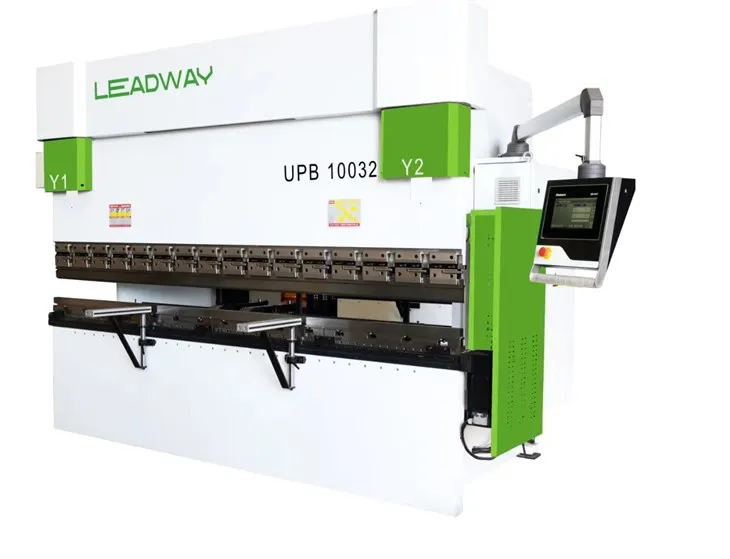
Some of our popular models that offer these advantages include the UPB Series Hydraulic CNC Bending Machine UPB 150x3100, the Hydraulic CNC Bending Machine UPA 600x6000, and the Hydraulic CNC Bending Machine UPB 60x2050. These machines are equipped with advanced CNC systems and tandem configurations to ensure optimal performance and efficiency.
Disadvantages of Air Bending with a CNC Tandem Pressbrake
Initial Investment and Complexity
As mentioned earlier, the initial cost of purchasing a CNC tandem pressbrake can be substantial. In addition to the cost of the machines themselves, there may also be expenses associated with installation, training, and software licensing. This can be a significant barrier for small and medium-sized fabricators with limited budgets.
The complexity of the CNC system and the tandem configuration also requires a certain level of technical expertise to operate and maintain. Operators need to be trained in programming the CNC system, setting up the machines, and troubleshooting any issues that may arise. This can add to the overall cost and time required to implement a CNC tandem pressbrake in a manufacturing facility.
Limited Bend Angle and Depth
Air bending with a CNC tandem pressbrake has certain limitations when it comes to the maximum bend angle and depth that can be achieved. The process relies on the elastic deformation of the metal, and as the bend angle and depth increase, there is a greater risk of the metal reaching its plastic deformation limit, resulting in cracking or other defects.
In addition, the size and shape of the workpiece can also affect the maximum bend angle and depth that can be achieved. Larger or thicker workpieces may require more force to bend, which can exceed the capacity of the pressbrake or cause damage to the tooling.
Tooling Costs and Maintenance
The tooling required for air bending with a CNC tandem pressbrake can be expensive, especially for custom or specialized tooling. The cost of tooling can add up quickly, particularly for fabricators who need to produce a variety of parts with different bend angles and radii.
In addition to the initial cost of tooling, there are also ongoing maintenance costs associated with keeping the tooling in good condition. The tooling needs to be regularly inspected, cleaned, and sharpened to ensure optimal performance and longevity. Any damage or wear to the tooling can result in poor bending quality and increased production costs.

Conclusion
Air bending with a CNC tandem pressbrake offers numerous advantages in terms of precision, consistency, flexibility, efficiency, and cost-effectiveness. However, it also has some disadvantages, such as the high initial investment, complexity, limited bend angle and depth, and tooling costs.
When considering whether to invest in a CNC tandem pressbrake for air bending, fabricators need to carefully evaluate their specific needs, budget, and production requirements. They should also consider the long-term benefits and potential cost savings that can be achieved with this technology.
If you are interested in learning more about our CNC tandem pressbrakes or discussing your specific bending needs, please don't hesitate to contact us. Our team of experts is ready to provide you with the information and support you need to make an informed decision.
References
- "Metal Forming Handbook: Processes and Applications" by G. E. Dieter
- "CNC Machining: Programming, Setup, and Operations" by Tim Haldeman
- "Press Brake Tooling: A Guide to Selection and Use" by Wilson Tool International